100,000+
Mold Species
Scientists have identified over 100,000 species of mold worldwide. Only a fraction commonly appear indoors, but even non-toxic species can trigger allergies and respiratory issues.
Education
Science-backed facts to help you recognize problems early and know when to call a pro.
By the numbers
100,000+
Scientists have identified over 100,000 species of mold worldwide. Only a fraction commonly appear indoors, but even non-toxic species can trigger allergies and respiratory issues.
24–48 hrs
Mold spores can begin colonizing on damp surfaces within 24 to 48 hours after water intrusion. Fast action after leaks or flooding is critical to prevent widespread contamination.
50%+
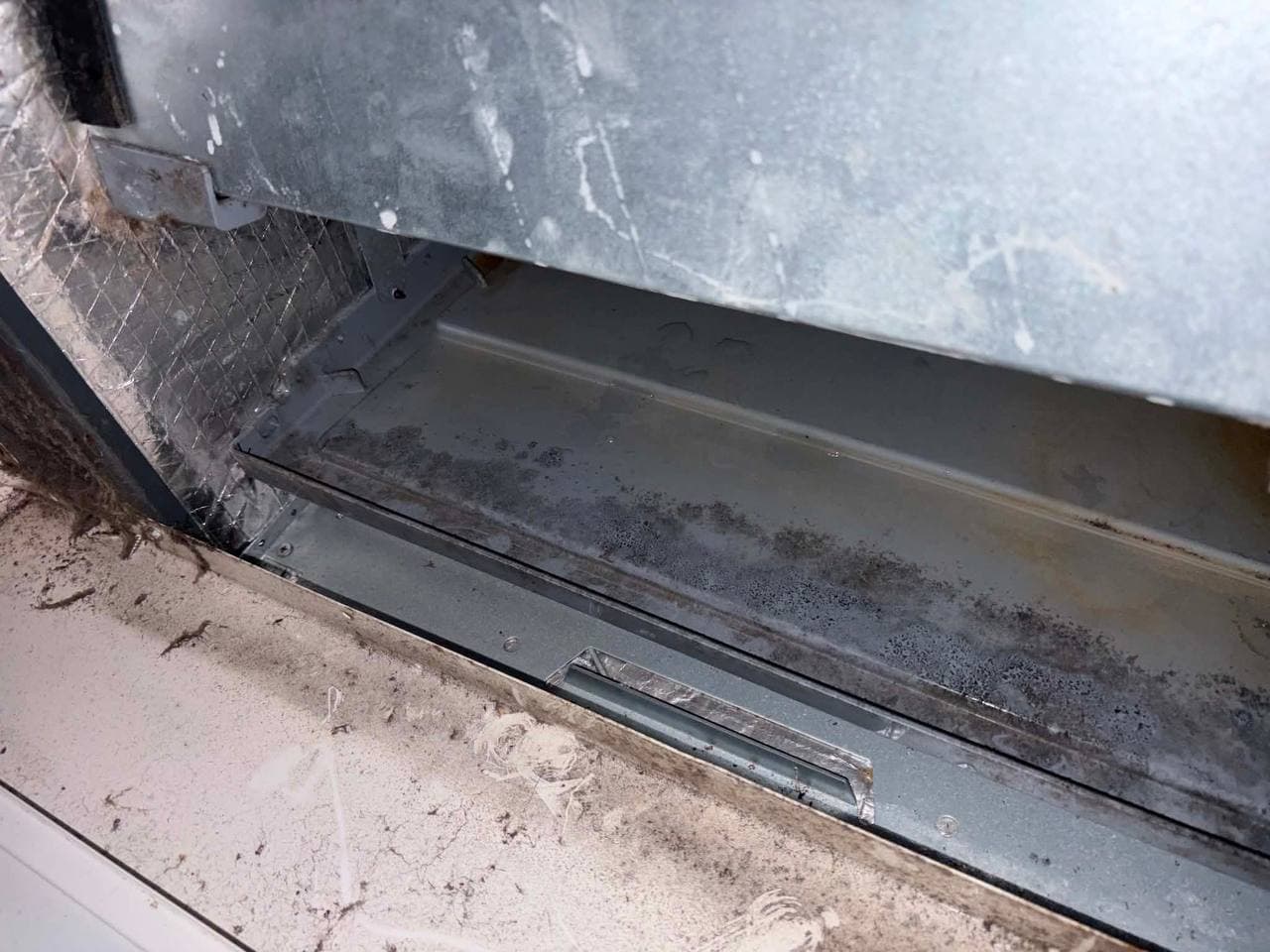
Studies suggest more than half of U.S. homes have some form of dampness or mold. Many cases go undetected because growth hides behind walls, under floors, or inside HVAC systems.
14%
Children exposed to household mold have up to 14% higher risk of developing asthma. Mold exposure is also linked to coughing, wheezing, and sinus irritation in sensitive individuals.
60%+
Indoor relative humidity above 60% creates ideal conditions for mold growth. Keeping humidity between 30–50% is one of the most effective prevention strategies.
3 ft²
EPA guidelines recommend professional assessment when mold covers more than 10 square feet (~3×3 ft). Even smaller areas near HVAC systems or after sewage backups warrant expert evaluation.
Health
Species
Color: Green, yellow, white, or black
One of the most common indoor molds. Found on walls, insulation, and HVAC systems. Can cause allergic reactions and respiratory irritation in sensitive people.
Color: Olive-green to black
Thrives on fabrics, wood, and HVAC surfaces. Often appears as olive-green or black spots. Typically non-toxic but can aggravate asthma and allergies.
Color: Dark greenish-black
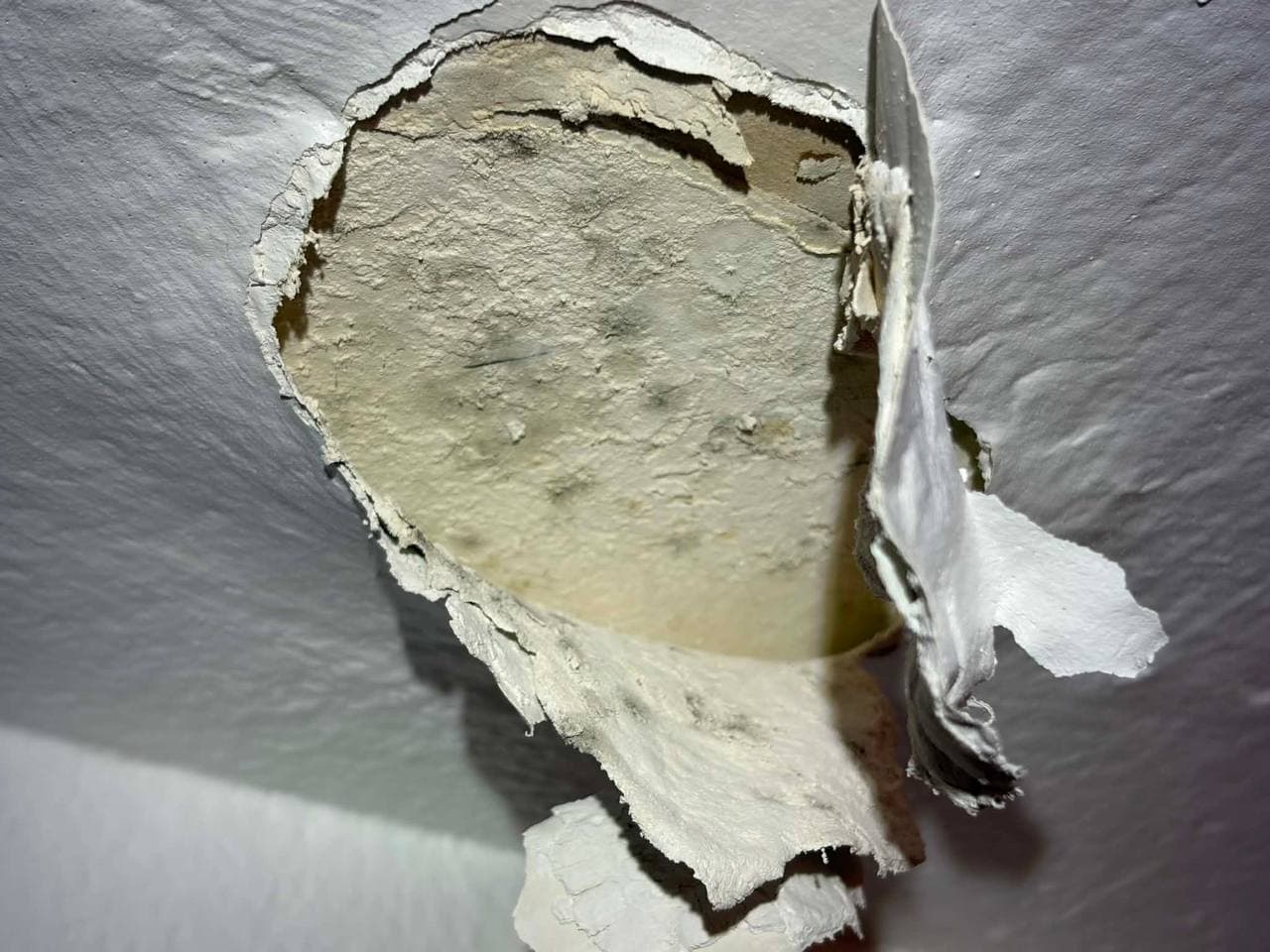
Known as 'black mold.' Grows on cellulose-rich materials like drywall and wood after prolonged moisture exposure. Requires professional assessment and remediation.
Color: Blue-green
Blue or green fuzzy mold found on water-damaged materials, wallpaper, and carpet. Spreads quickly and can cause sinus infections and lung inflammation.
Color: Dark olive-green to brown
Common outdoor mold that enters homes through windows and doors. Often found in showers, under sinks, and around window frames after moisture events.
Color: White to gray to brown
Indicates long-term water damage. Appears as a cotton-like texture turning from white to gray to brown. Often found alongside Stachybotrys in severely water-damaged buildings.
Hidden spots
Slow leaks from pipes or roof failures create mold colonies inside wall cavities long before visible staining appears on the surface.
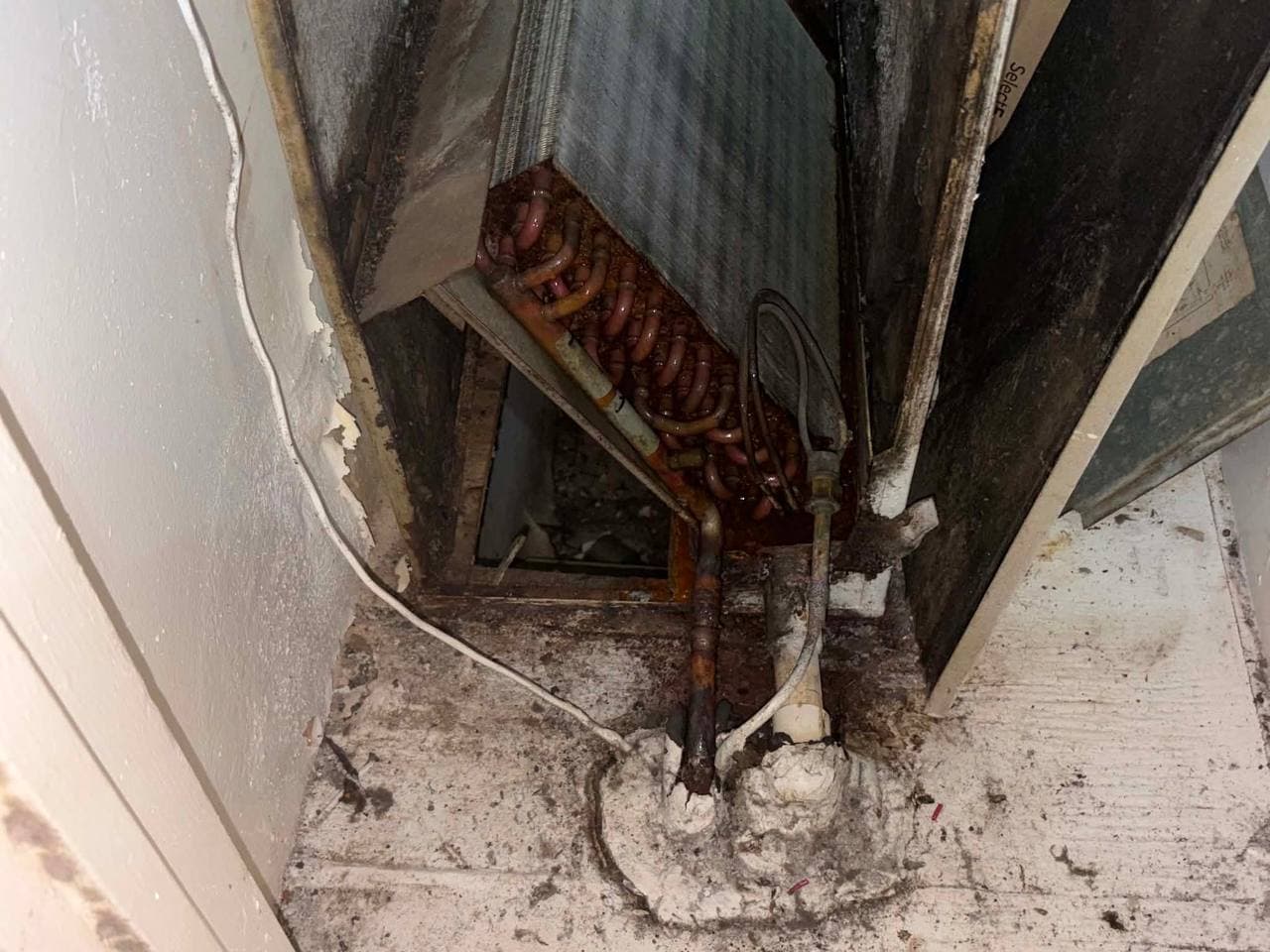
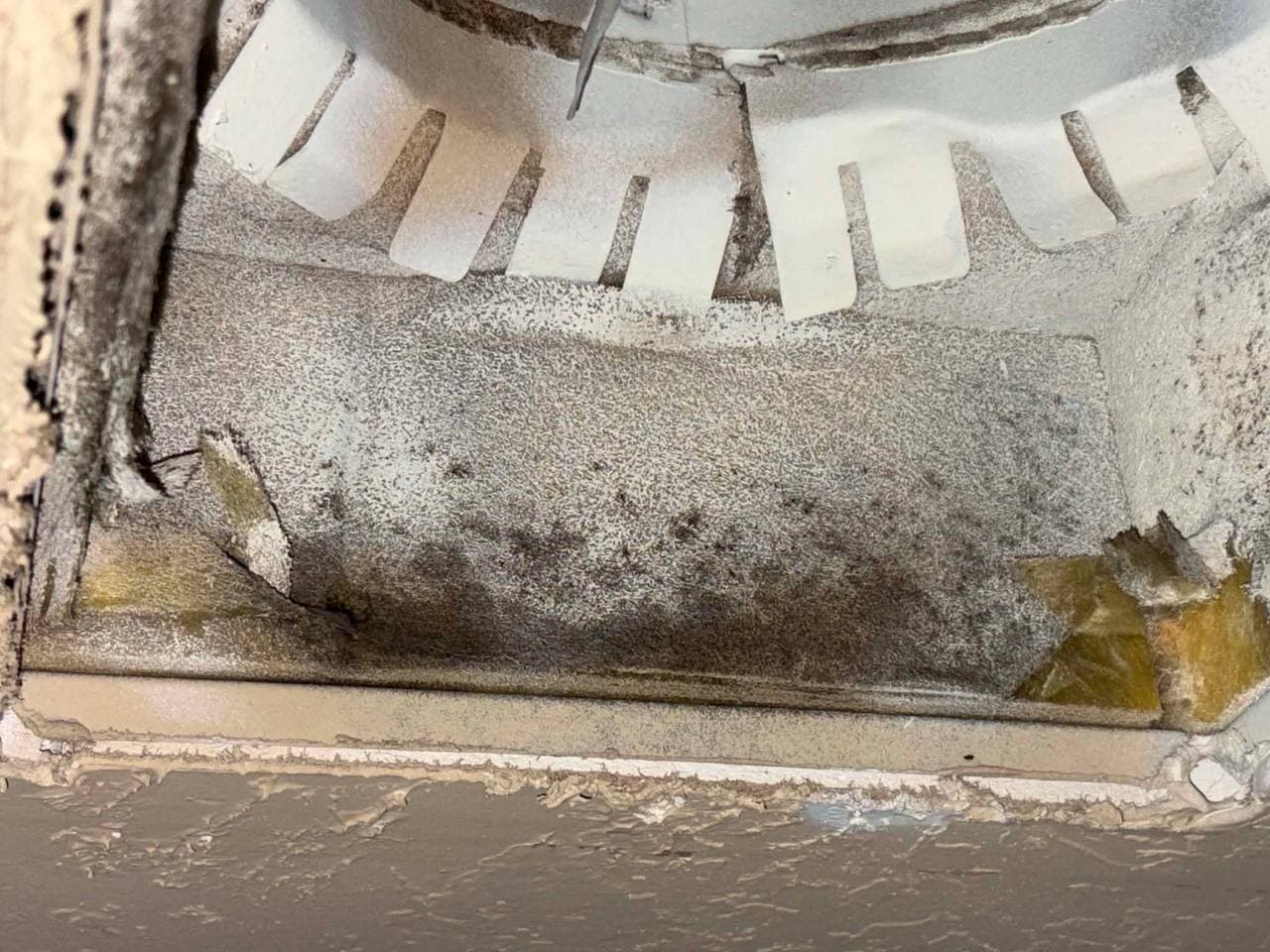
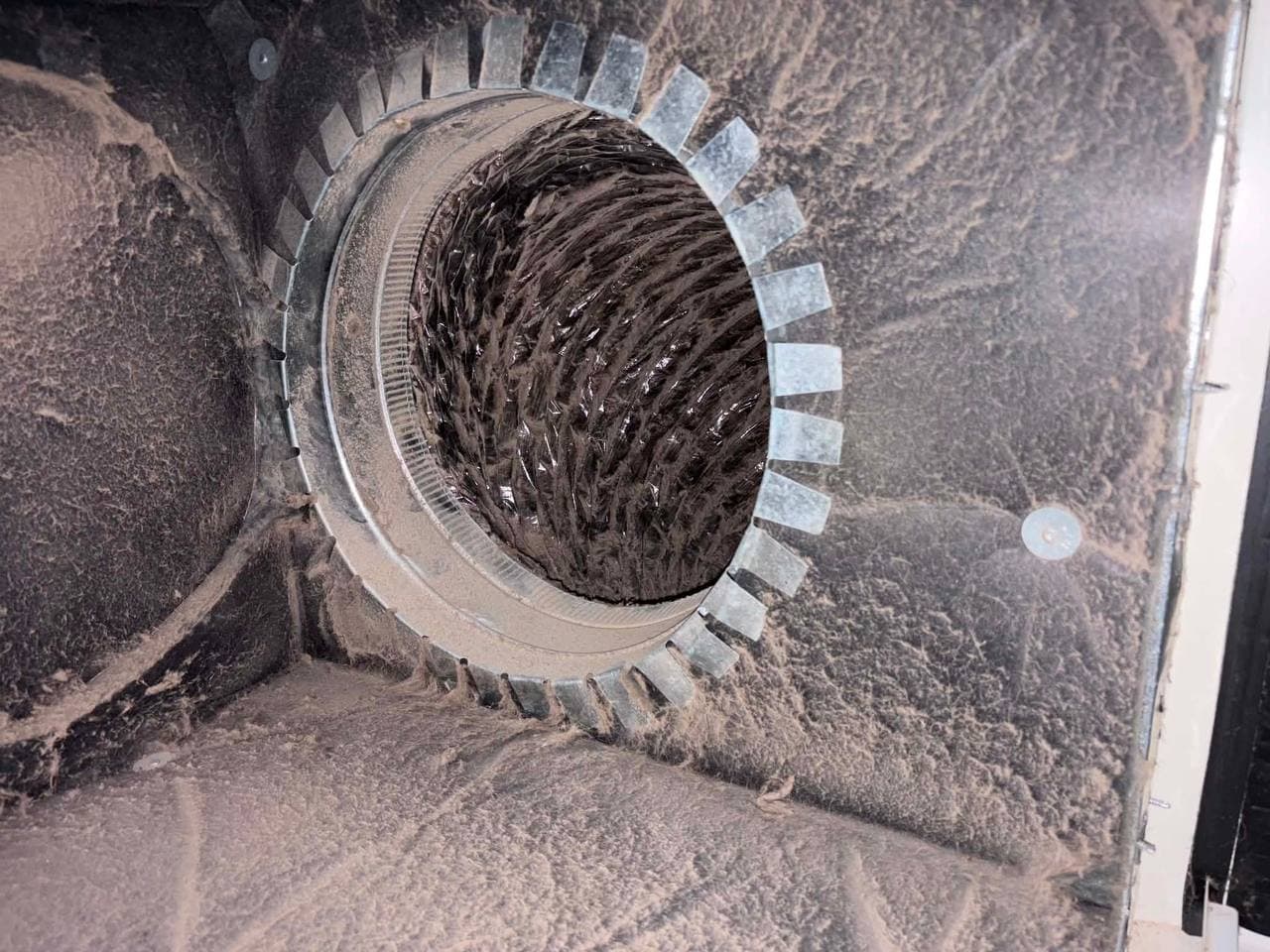
Condensation in air handlers, drip pans, and ductwork creates a perfect environment. Mold here spreads spores throughout every room.
Subfloor moisture from slab leaks, appliance overflows, or previous flooding often goes undetected beneath carpet, tile, or hardwood.
Poor ventilation, roof leaks, and ground moisture make these spaces prime locations for unchecked mold growth on wood framing.
Condensation and seal failures around windows allow moisture to accumulate in framing, leading to recurring mold problems.
Grout cracks, failed caulking, and plumbing leaks behind tubs and showers are among the most common hidden mold sources in homes.
Prevention
Contact Jordan Muniz today. Same-week appointments available across Greater Houston.